30 Mar 20263 min
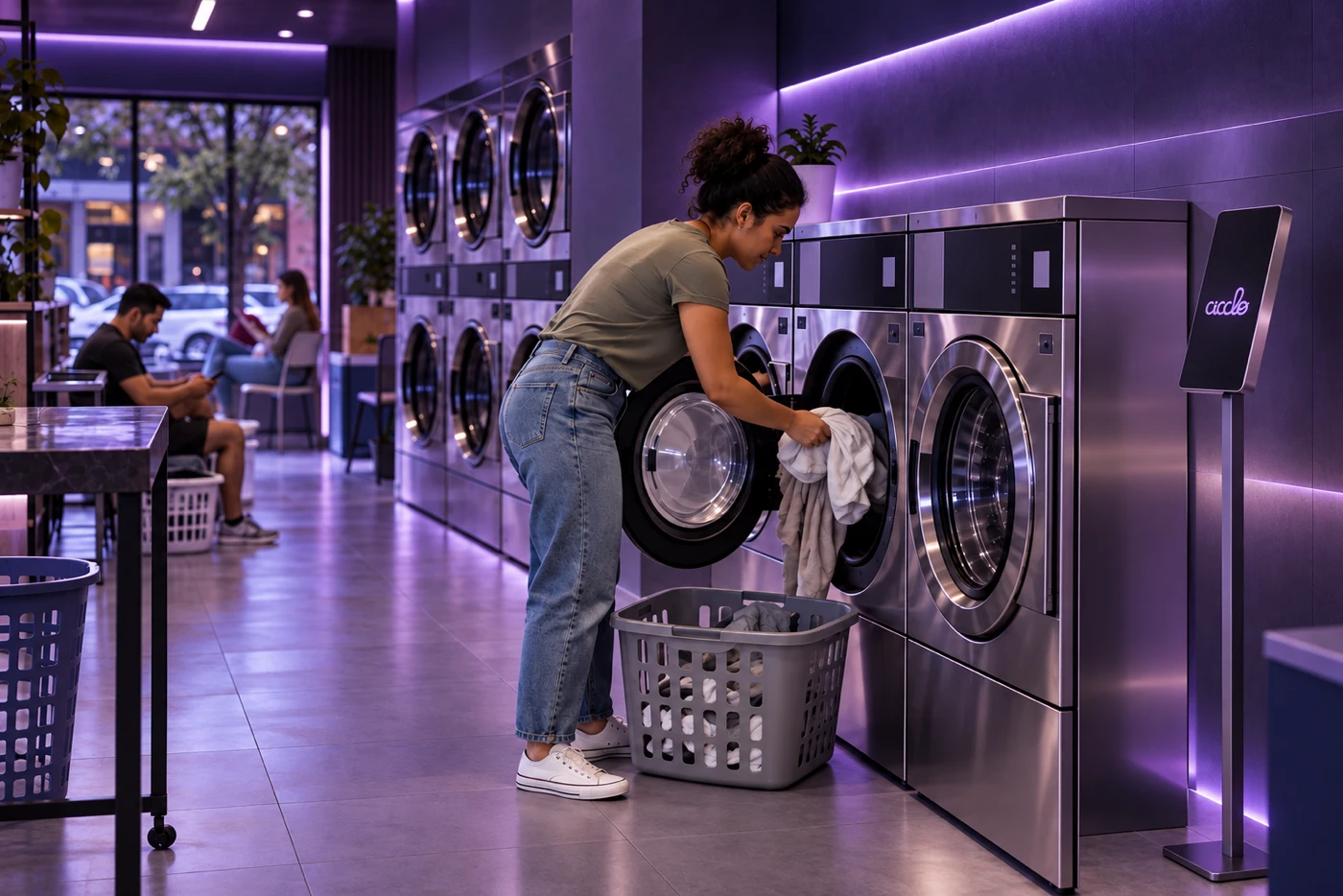
Connected laundry: from payment to a completed cycleA practical laundry journey connecting availability, payment, machine activation and customer support.
Read article →3 min · Updated 03 Oct 2026
A practical approach to classifying alerts, investigating causes and coordinating maintenance with context.
Not every alert has the same impact. An idle machine losing connectivity may allow a scheduled check; an approved payment with no cycle start needs immediate customer assistance. Organize incidents by impact, available evidence and ownership. Monitoring should guide a concrete action rather than produce more notifications.
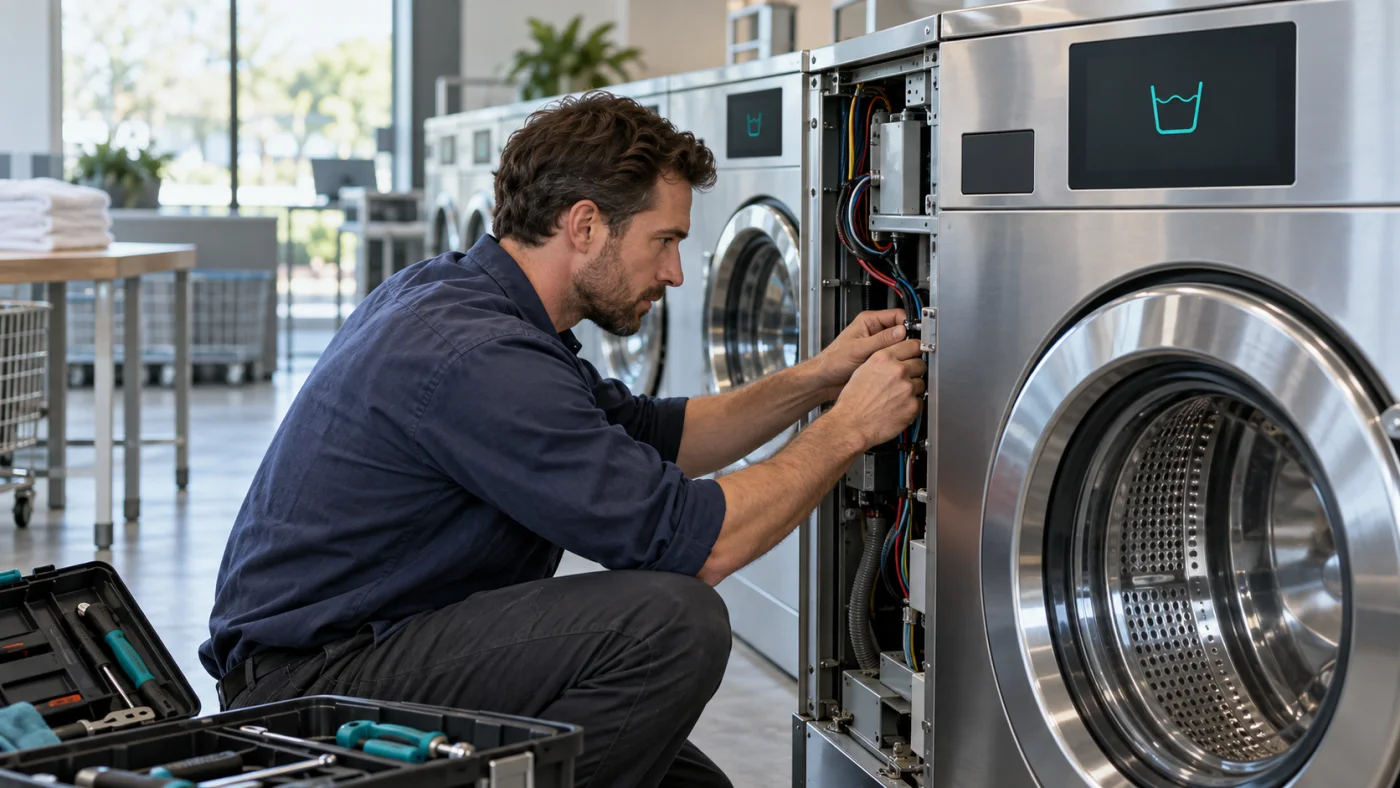
Separate installation safety, interrupted service, unavailable capacity and incomplete information. Leaks, unusual heating and electrical risks must follow technical procedures and stop usage where required. A remote command cannot replace a qualified professional on site. For other incidents, record whether a customer is waiting, how many machines are affected and whether the site can still serve people.
Connect each alert to the machine, its last signal, its last confirmed cycle and any related transaction. Compare equipment within the same location. If every machine loses communication, investigate the shared connection before replacing parts. If one machine repeatedly fails, inspect its history and integration. Missing telemetry is not a confirmed diagnosis of equipment failure.
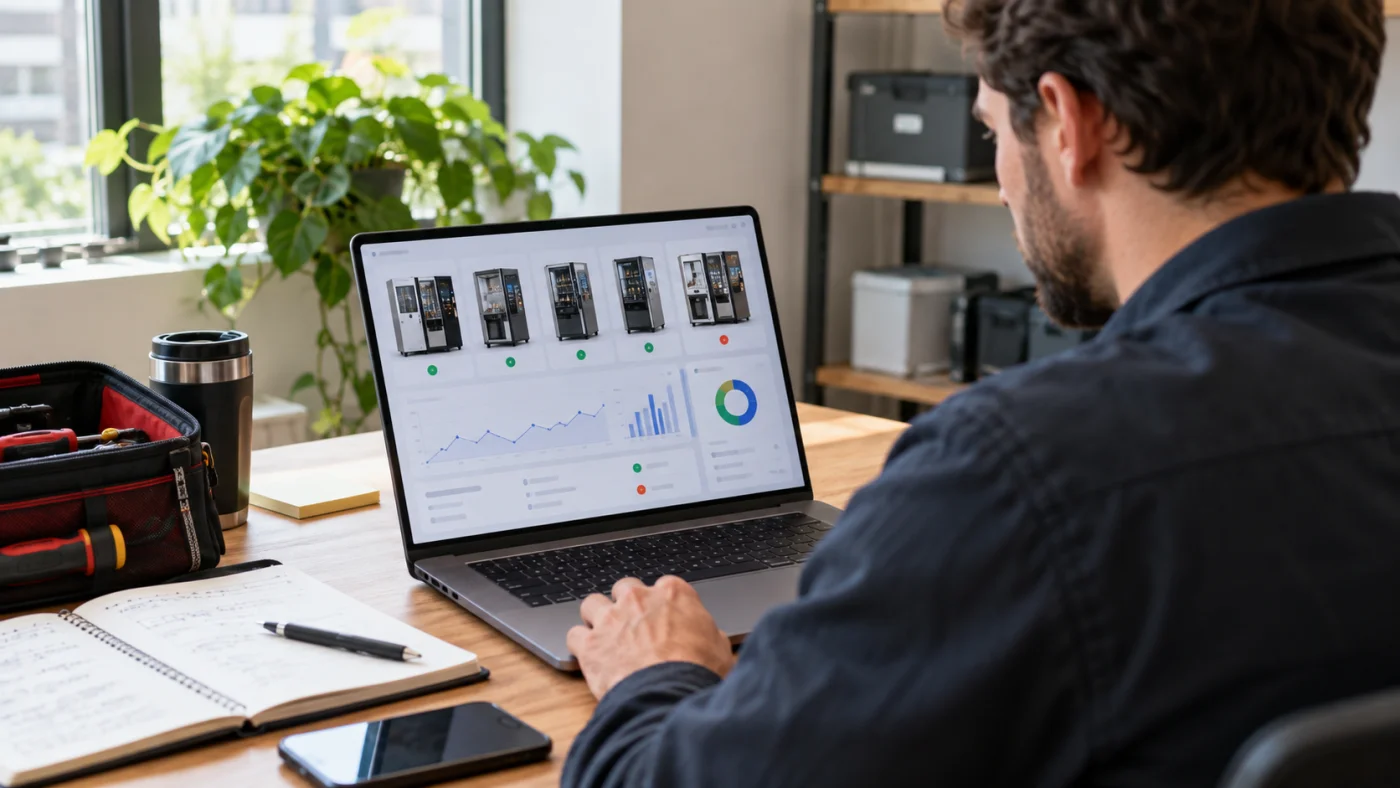
Document a procedure for each incident category, including who assists the customer and who approves the return to service. Restarting may hide evidence or interrupt a running cycle, so use only an agreed recovery procedure. Record the diagnosed cause and the changes made. Preventive maintenance should consider manufacturer guidance, usage intensity and recurring problems alongside the calendar.
Suppose three washers stop communicating within one minute and no new cycle starts are confirmed. Begin by checking the location and shared connection, while preventing purchases that depend on reliable confirmation. If payment has already been approved, support owns the case until resolution. Afterwards, compare response time, recovery time and recurrence. Counting alerts alone cannot show whether the customer received effective help.
Self-service technology and operations
Cicclo editorial content helping operators connect payments, equipment and management. Examples are illustrative and should be adapted to each operation.
A practical laundry journey connecting availability, payment, machine activation and customer support.
Read article →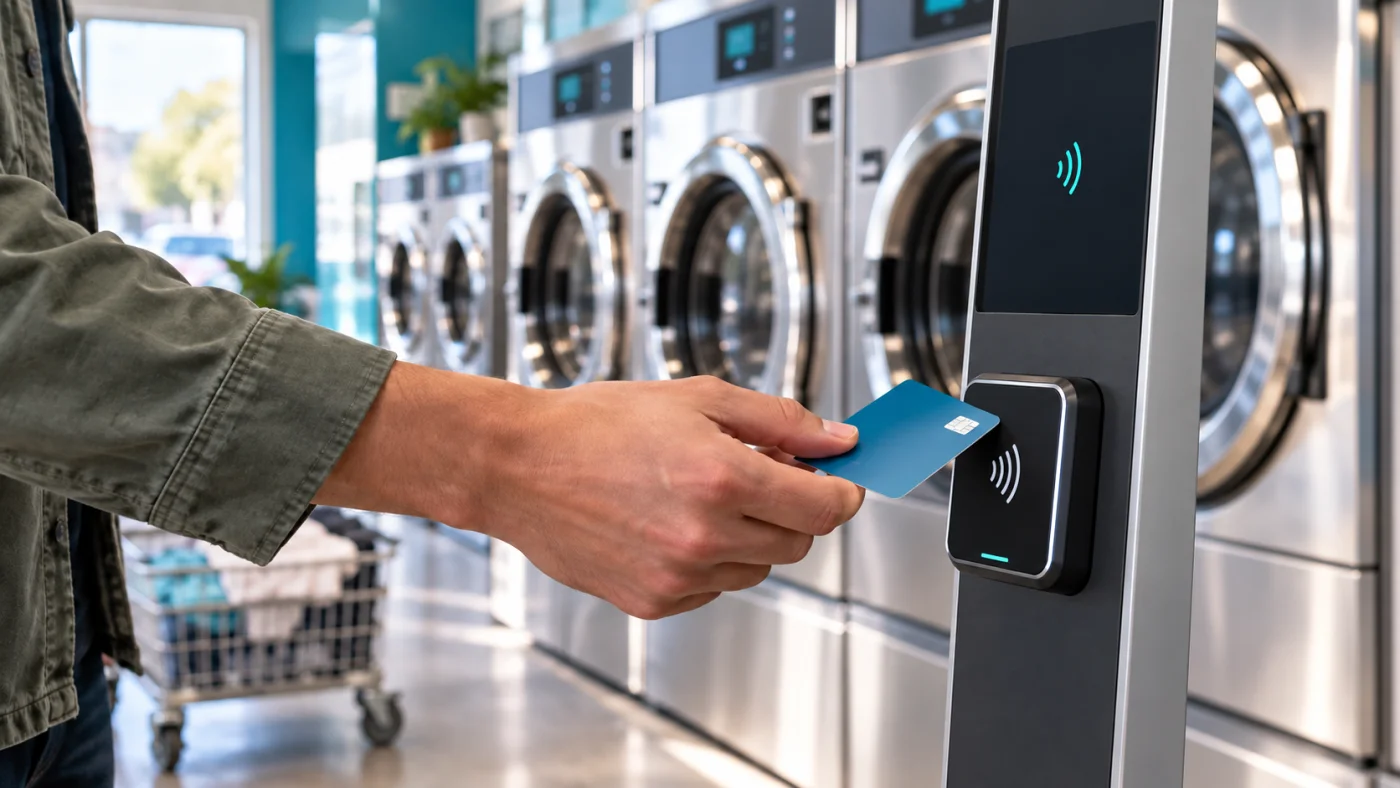
PIX and cards need a clear link between the transaction, the selected machine and the confirmed cycle.
Read article →Understand connectivity, fresh telemetry, operational availability and confirmed cycle events.
Read article →Organize costs, utilization and discounts before changing a service price.
Read article →